

·
Paraguay and the region
Driving to Foz do Iguaçu: new bridge documents from 3 November
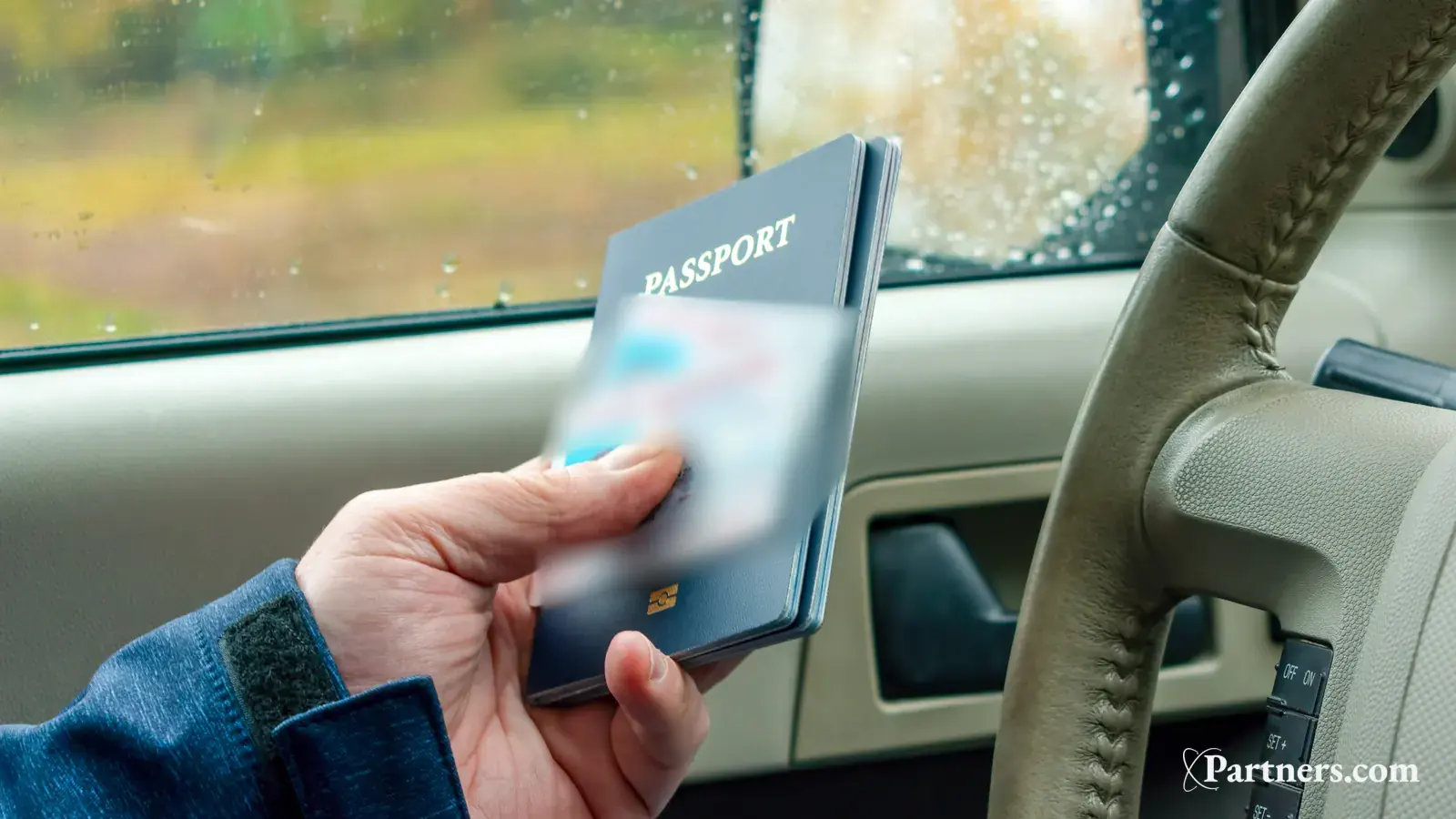


Paraguay and Brazil are changing the paperwork for private cars on the Puente de la Integración, the second bridge over the Paraná between Presidente Franco and Foz do Iguaçu. According to a release from Paraguay's Dirección Nacional de Migraciones dated 26 October 2026, the new requirements apply from 3 November. They were agreed by the joint Paraguayan-Brazilian commission for the bridge at its meeting of 20 October, held at the Receita Federal offices in Foz do Iguaçu.
Who needs what, from 3 November
The car crossing is reserved for Paraguayan and Brazilian citizens living in Ciudad del Este, Presidente Franco and Hernandarias (Alto Paraná) and in Foz do Iguaçu (Paraná state). The documents now depend on both nationality and place of residence:
- Paraguayans living in Presidente Franco, Ciudad del Este or Hernandarias: a valid travel document (passport or identity card) plus the Documento de Tránsito Vecinal Fronterizo (DTVF), the border-resident pass, which they apply for at the Brazilian Federal Police in Foz do Iguaçu.
- Paraguayans living in Foz do Iguaçu: a valid travel document and proof of residence in Brazil, with no DTVF.
- Brazilians living in Presidente Franco, Ciudad del Este or Hernandarias: a valid travel document and the residence document issued in Paraguay, with no DTVF.
- Brazilians living in Foz do Iguaçu: a valid travel document and the DTVF, issued by Paraguay's Dirección Nacional de Migraciones.
Every occupant of the vehicle must carry the documents that apply to them, including the additional papers required when travelling with under-18s. The car crossing does not cover motorcycles, nor goods, except those classed as subsistence goods under the Mercosur Agreement on Linked Border Localities; the baggage regime does not apply either.
The Paraguayan border pass: PYG 74,929, 72 hours
Brazilians living in Foz apply in person at the Migraciones admissions office in Ciudad del Este, on avenida Rogelio Benítez near 4 de Mayo. The fee is PYG 74,929 and the pass is issued within 72 working hours. Migraciones set that amount in September, when it lowered the DTVF fee for Mercosur nationals living in linked Brazilian border towns, applying the principle of reciprocity. The same note specifies that the DTVF does not replace the passport or identity document, does not exempt the holder from migration control, and that each entry and exit must still be registered at the checkpoint. Anyone without the pass can use the other authorised crossings under the ordinary rules.
Timetables that stay the same
The release confirms the schedule already agreed for the bridge:
- Private cars: every day, 7:00 to 13:00, for residents of the four linked towns only.
- Heavy trucks: enter and leave the bridge empty, every day from 18:00 to 5:00; the loaded return goes over the Friendship Bridge (Puente de la Amistad).
- Smaller cargo vehicles: empty on the Integration Bridge, Monday to Friday, 7:00 to 19:00; loaded return over the Friendship Bridge.
- Urban bus line Presidente Franco–Foz do Iguaçu: optionally over the Integration Bridge, 7:00 to 19:00, with the DTVF.
- Charter coaches not ending their trip in Ciudad del Este or Foz, and regular international coach lines: only over the Integration Bridge, 24 hours a day.
What it means for those doing business across the border
- The bridge is a commuter route, not a cargo route. Goods still return loaded over the Friendship Bridge; any logistics plan between Alto Paraná and Paraná state has to be built on that.
- Residence decides the document. A company's Brazilian staff living in Ciudad del Este cross with their Paraguayan residence document; Paraguayan staff living in Ciudad del Este need the Brazilian-issued DTVF from 3 November.
- Passengers count too. A car is checked person by person, children included: one missing document holds up the whole vehicle.
- The car window is short. From 7:00 to 13:00 only; afternoon trips by car still go over the Friendship Bridge.
Delays at the crossings with Brazil and Argentina already weigh on grain trade, and Brazil remains Paraguay's second supplier, as shown in the analysis of imports through September. The partners.com page on the Import & Export service explains how trade operations between Paraguay and its neighbours are set up.
Sources
Ask our team
A few lines are enough. Our team in Asunción reads every request and replies in your language.
Read More

Import / Export
Meat for Taiwan: plant audit concluded, beef exports at USD 149.1m
On 9 November 2026 SENACSA announced that Taiwan's official audit of Paraguayan plants exporting beef and pork ended with satisfactory results. From January to July Taiwan bought USD 149.1 million of Paraguayan beef and 86% of the value of Paraguay's pork exports.


Import / Export
Trade on the Brazilian border: PY17 road paves 221 km in 4 sections
The PY17 road will link Pedro Juan Caballero, Zanja Pytã, Capitán Bado, Itanará and Ypejhú along the Brazilian border with 221 km of paved road, financed by a USD 220 million FONPLATA loan. The first section, 44 km from Pedro Juan Caballero under a PYG 391,554,309,003 contract, is due for completion by February 2028.

Import / Export
Buying goods in Paraguay: dollar at PYG 5,945 and payment upfront
The strong guaraní, with the dollar at PYG 5,945 in October 2026 against PYG 7,105 a year earlier, already cuts the local-currency income of exporters. Since 3 November ueno bank's customers, with the bank in resolution at the Banco Central del Paraguay, also have their accounts frozen: for buyers of goods for export, immediate payment becomes the most valued term.