

·
AFD posts record poultry-sector lending as private credit grows at double-digit pace
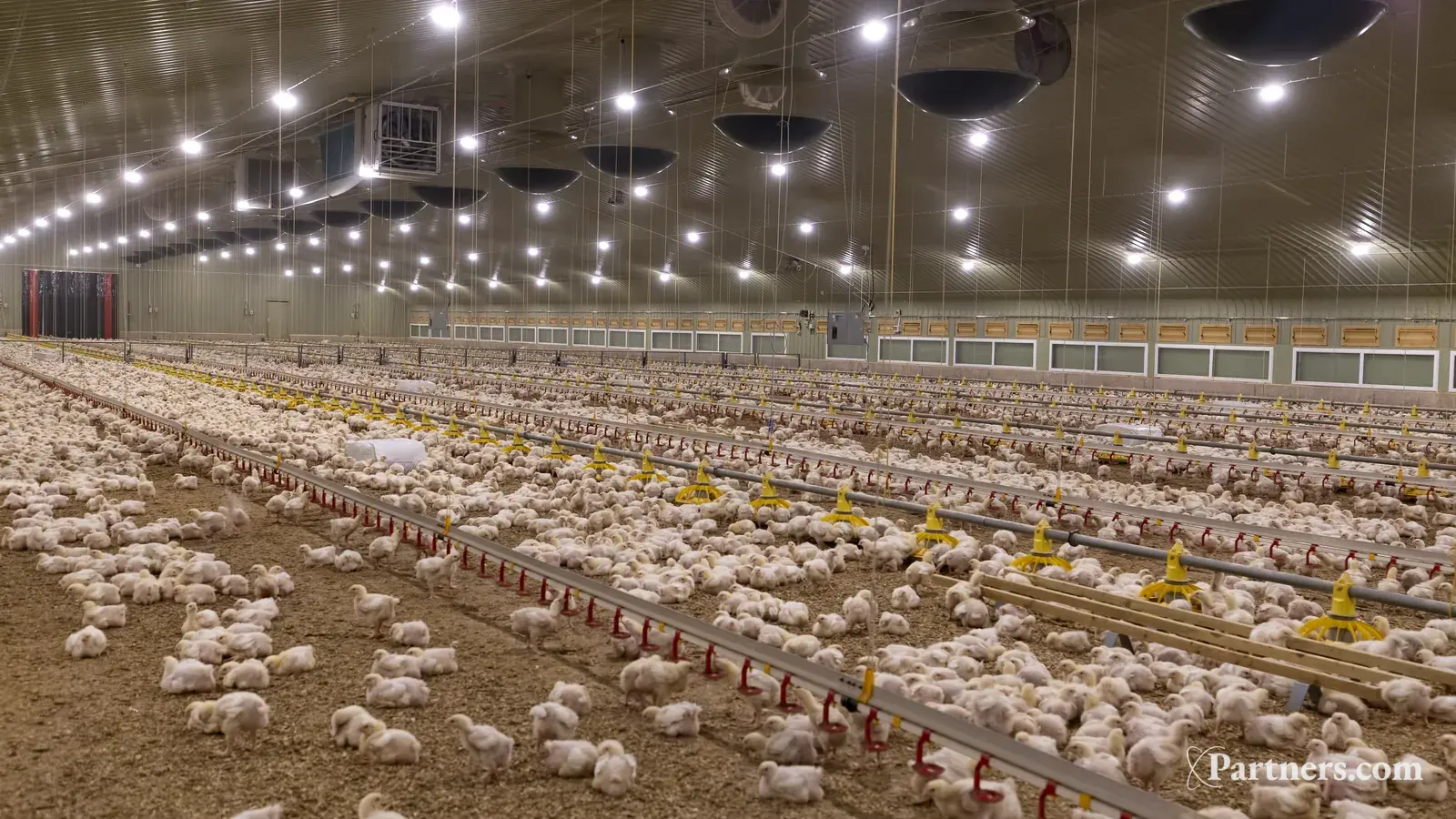


Two sets of figures released in October capture both sides of credit in Paraguay: long-term funding for productive investment on one hand, and expanding household borrowing on the other. The Agencia Financiera de Desarrollo (AFD), a public second-tier development bank, reported record lending to poultry production, while the Banco Central del Paraguay (BCP) confirms that credit to the private sector continues to grow briskly.
Poultry: USD 24.93 million in one year
In 2026 AFD approved USD 24.93 million in loans to the poultry sector, the highest level since it began operating in this segment. The amount equals 48.5% of the USD 51.35 million it has ever approved for the sector, and is 7.7 times the total approved in 2025.
As with all of the agency's lines, the funds are not lent directly. They flow through Instituciones Financieras Intermediarias (IFIs), which extend the loan to the end borrower. The financing covered the whole value chain: breeding stock and laying hens, construction and modernisation of poultry houses, and energy-efficiency upgrades. According to the agency, the investments supported more than 2,600 jobs across nine departments, including Central, Itapúa, Alto Paraná and Boquerón. AFD links the sector's growth to new export markets, among them Taiwan, the United Arab Emirates, Singapore and the Philippines.
Private credit: up 16.59% year on year
The BCP's Financial Indicators for August 2026 show the stock of bank and finance-company loans to the private sector up 16.59% year on year: 12.85% in guaraníes and 24.48% in foreign currency. Private deposits grew 19.60%. The weighted average lending rate stood at 15.96% in local currency and 7.80% in foreign currency; the non-performing loan ratio for banks and finance companies was 2.85%, and solvency 16.93%. On 21 September the Monetary Policy Committee held the policy rate at 5.50%.
On composition, the Financial Stability Report of May 2026 is explicit: with total credit up 17.1% in March, household credit grew 24.7% year on year, driven mainly by consumer loans, which the BCP puts at 78.6% of the total, and to a lesser extent by mortgages. The total non-performing ratio then stood at 2.5%, with provisions fully covering credit risk, and household delinquency was stable compared with the previous report. An analysis by ABC Color examines how consumer credit growth compares with incomes.
What it means for investors in Paraguay
- Long-term funding is available. For agro-industrial projects, AFD lines accessed through a bank or finance company offer maturities suited to investment in buildings, equipment and energy efficiency.
- Currency matters. Foreign-currency lending is growing at 24.48%, against 12.85% for guaraní loans, and carries a lower average nominal rate (7.80% versus 15.96%), but businesses earning in local currency must weigh the exchange-rate risk.
- Borrowing costs remain high. With the average guaraní lending rate at 15.96%, financial plans should rest on conservative cash-flow assumptions.
- The bank decides. Access to AFD funding depends on the intermediary's assessment: financial statements, collateral and documentation make the difference.
partners.com helps companies and foreign investors prepare loan applications and engage with financial intermediaries in Paraguay: explore our Loan & Financing service.
Sources
Ask our team
A few lines are enough. Our team in Asunción reads every request and replies in your language.
Read More

Loan & Financing
Home credit rising at 45.45% of lenders in Paraguay, BCP survey
In the Central Bank of Paraguay's survey for the third quarter of 2026, 45.45% of the 22 financial institutions polled report an increase in home credit over the past three months and the same share expect one over the next three. Only 13.64% expect stricter requirements; for construction, 27.27% report an increase.


Loan & Financing
Home loans in Paraguay: average guaraní rate at 9.34% in September
In September 2026 the weighted average rate on home loans in guaraníes rose to 9.34%, from 9.27% in August, but stayed below the 9.71% of a year earlier. In dollars it fell to 8.48%, while housing credit grew by 28.01% over twelve months.

Loan & Financing
Borrowing in Paraguay: November's legal interest cap is 27.20%
For operations in November 2026 the Superintendencia de Bancos sets the rate above which a loan is usurious at 27.20% effective a year in guaraníes and 11.48% in foreign currency. For credit cards the limits are 19.56% and 10.61%.