

·
Bioceanic Bridge enters its final phase: what the corridor means for logistics in the Chaco
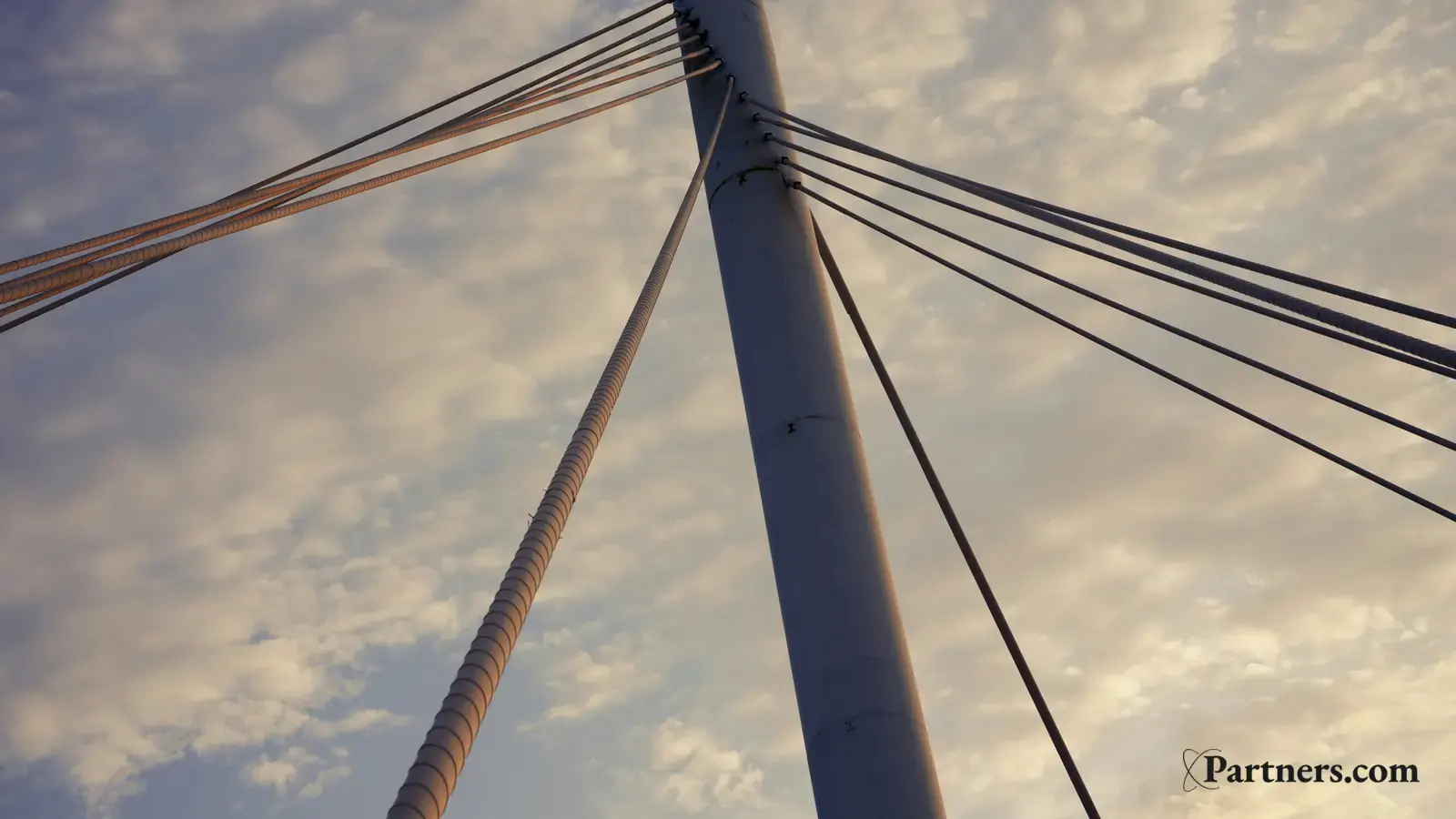


For most of its history, Paraguay's Chaco has been a territory to cross with difficulty rather than a place to ship goods from. The bridge over the Paraguay River between Carmelo Peralta and Porto Murtinho, in Brazil, is meant to change that. It is the missing link in the Bioceanic Road Corridor, which will connect Brazil's Atlantic ports with Chile's Pacific terminals through Paraguay and Argentina. As of 14 October, according to the MOPC, crews on both banks were carrying out finishing work and structural adjustments, including re-tensioning stay cables on the Brazilian side and building deck kerbs on the Paraguayan side.
The bridge by the numbers
According to the Ministry of Public Works and Communications (MOPC), the bridge is 1,294 metres long, including a 632-metre cable-stayed section and a 350-metre main span. It costs 684,615,904,566 guaraníes, funded from Paraguay's share of Itaipú Binacional. The PYBRA binational consortium (Tecnoedil S.A., Paulitec Construções and Construtora Cidade Ltda.) is building it, with Consorcio Prointec as supervisor. In August, the removal of the form travellers closed one of the main phases of the cable-stayed section.
The MOPC has listed the remaining work: checking deck alignment, measuring the forces in all 168 stay cables, side-span slabs, safety barriers and lighting. The bridge will open with one lane in each direction on a deck built to take four, and a load test is planned before the inauguration. Two weather stations will be installed on its towers. The ministry has not announced an opening date.
Access roads and the corridor
On the Paraguayan side, the access works in Carmelo Peralta were 23% complete at the end of August, including the rebuilt urban section and drainage. Further west, the corridor's third stretch, 224 kilometres between Mariscal Estigarribia and Pozo Hondo split into four lots, is fully under way. Lot 3 stood at 40% in August; its contractor, CDD Construcciones S.A., will also maintain it for eight years.
Early projects are forming around the infrastructure. In September, a delegation from the Vice-Ministry of Mines and Energy presented, at an OLACDE workshop in Montevideo, a proposal for a fertiliser hub in Carmelo Peralta, where the Paraguay-Paraná waterway meets the new road. For now it remains a proposal.
The river still matters
On 16 October, Vice-Minister of Transport Emiliano R. Fernández met RINA (Registro Italiano Navale) and Propulnave to discuss permits and requirements for technical work on vessels. On 8 October, the National Logistics Council, meeting at the Ministry of Industry and Commerce, reviewed waterway and rail projects, new border crossings and opportunities linked to the Bioceanic Route (Ruta Bioceánica), according to Capeco.
What it means for investors and exporters in Paraguay
- New routes, open timelines. The bridge creates a direct road link between the Chaco and Mato Grosso do Sul, but with no opening date and with access roads and corridor lots still under construction, logistics plans should follow the actual state of the works.
- Road and river together. Carmelo Peralta sits where the waterway meets the corridor, so shippers will be able to compare both modes and their operating rules.
- Land and settlements. Urban works and proposed industrial projects in the area are also relevant to anyone weighing property investments in the Chaco, where transactions call for careful checks of title and land-registry records.
For trade flows along the corridor, partners.com's Import-export page describes how suppliers and buyers are connected across Paraguay and Mercosur; land-related questions are covered on the Real Estate page.
Sources
Ask our team
A few lines are enough. Our team in Asunción reads every request and replies in your language.
Read More
Import / Export
Meat for Taiwan: plant audit concluded, beef exports at USD 149.1m
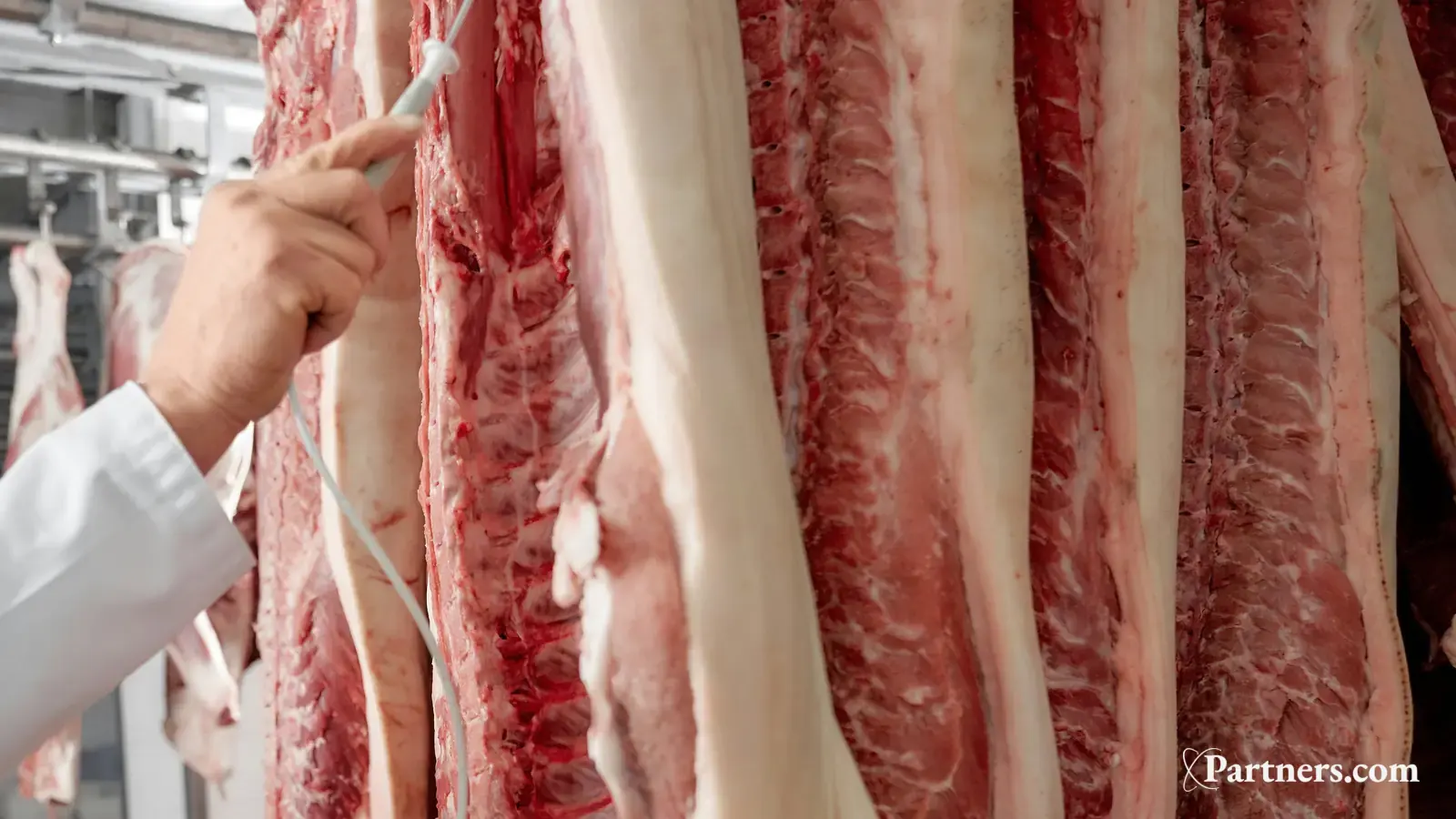
On 9 November 2026 SENACSA announced that Taiwan's official audit of Paraguayan plants exporting beef and pork ended with satisfactory results. From January to July Taiwan bought USD 149.1 million of Paraguayan beef and 86% of the value of Paraguay's pork exports.

Import / Export
Trade on the Brazilian border: PY17 road paves 221 km in 4 sections
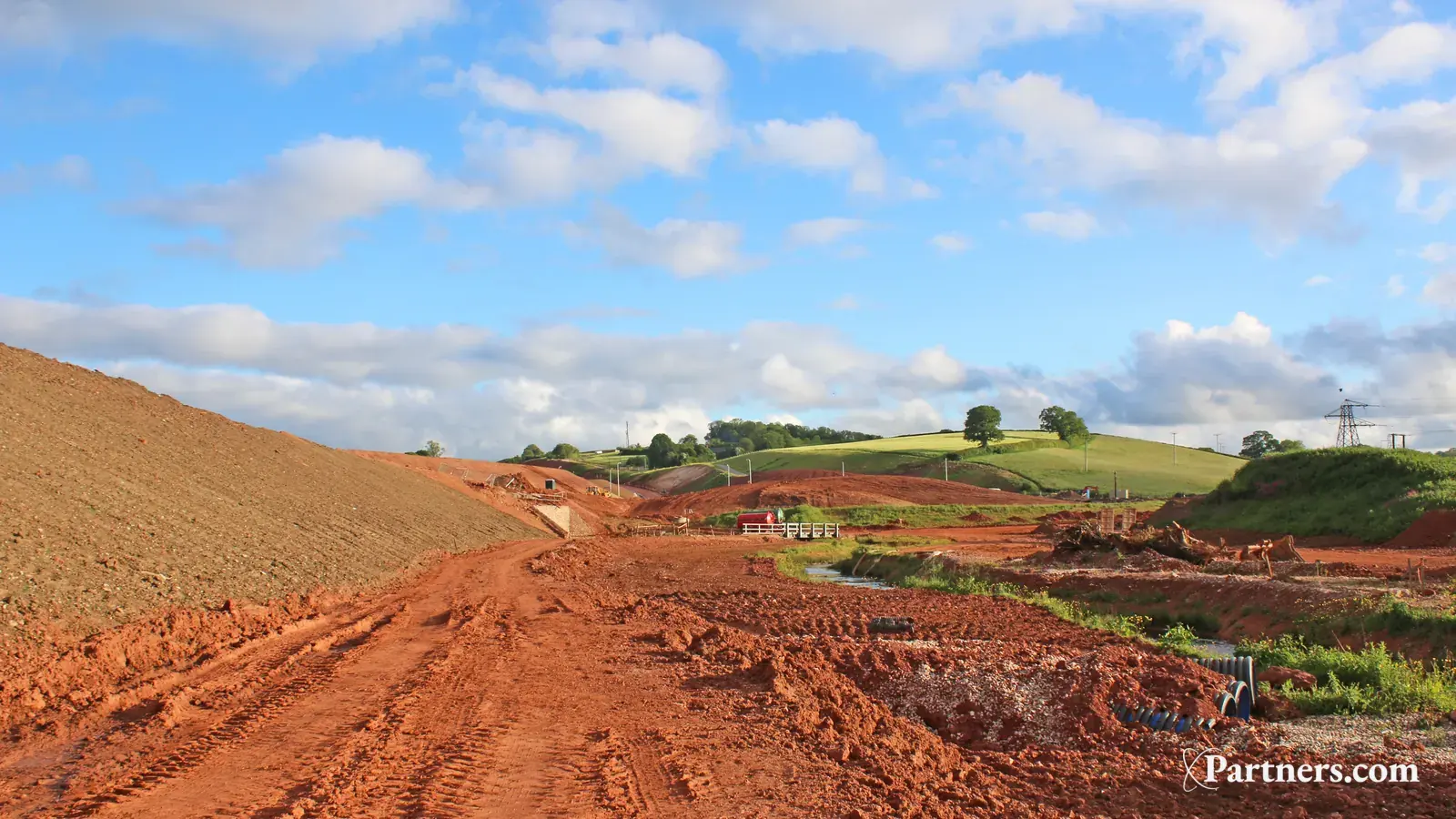
The PY17 road will link Pedro Juan Caballero, Zanja Pytã, Capitán Bado, Itanará and Ypejhú along the Brazilian border with 221 km of paved road, financed by a USD 220 million FONPLATA loan. The first section, 44 km from Pedro Juan Caballero under a PYG 391,554,309,003 contract, is due for completion by February 2028.

Import / Export
Buying goods in Paraguay: dollar at PYG 5,945 and payment upfront
The strong guaraní, with the dollar at PYG 5,945 in October 2026 against PYG 7,105 a year earlier, already cuts the local-currency income of exporters. Since 3 November ueno bank's customers, with the bank in resolution at the Banco Central del Paraguay, also have their accounts frozen: for buyers of goods for export, immediate payment becomes the most valued term.