

·
Paraguay's cattle cycle squeezes supply: fewer slaughterings, dearer beef and genetics heading to Mercosur
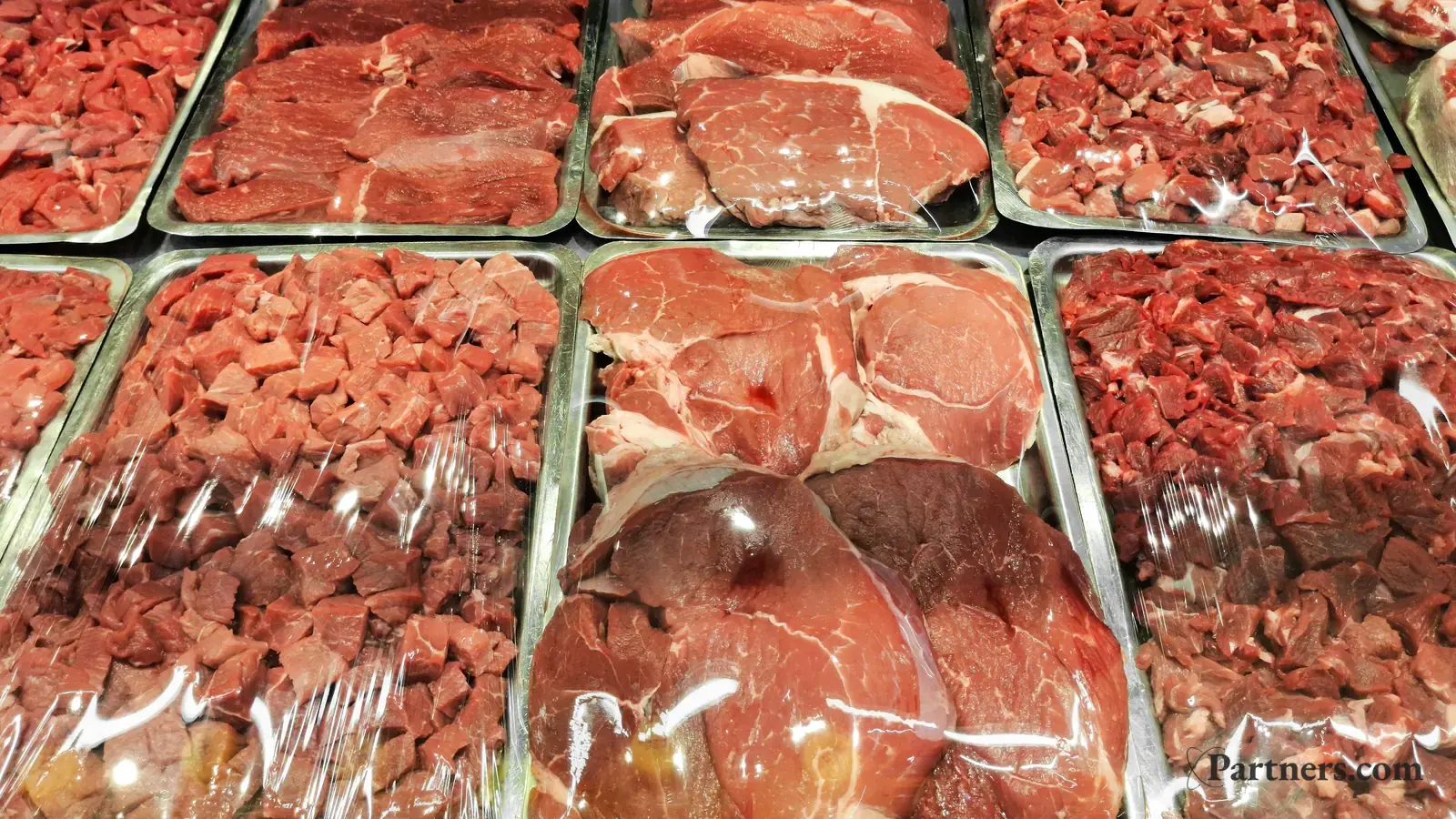


Paraguay's export slaughterhouses processed 1,363,697 cattle between January and September 2026, 372,147 fewer than a year earlier (down 21%). The figure comes from the Tablero de Faena, a dashboard that the Asociación Paraguaya de Productores y Exportadores de Carne (Appec) builds from preliminary data published by the national animal health service, Servicio Nacional de Calidad y Salud Animal (SENACSA). In September the plants ran at 36% of capacity. The Banco Central del Paraguay (BCP) attributes the decline to retención de vientres: ranchers are holding back breeding cows to rebuild their herds. In its September Monetary Policy Report, the bank expects livestock output to contract by 4.5% in 2026, after growing 6.2% in 2025.
Fewer head, heavier carcasses, fewer females
SENACSA's official series by purpose, published up to April, show how the decline built up; the service's monthly reports run to July and put January–July slaughter at 1,081,918 head, against 1,380,490 a year earlier (down 21.6%). In the first four months of 2026 export plants slaughtered 574,681 head, against 756,613 a year earlier (down 24.0%). Average carcass weight rose from 242 to 263 kilograms, so tonnage fell less than headcount (down 17.5%). The mix changed too: females dropped from 43% to 35% of the cattle killed for export. In the textbook cattle cycle, this is the pattern of a herd being rebuilt. Domestic slaughterhouses, which supply the local market, saw a smaller drop: 83,185 head against 87,426 (down 4.9%).
Prices: cattle gain value, consumers notice
With supply tighter, cattle are worth more. According to Appec's Novillo Tipo Paraguay 2.0 index, the cattle component stood at US$1,300 per head in September. Over the first nine months it averaged US$1,211, up 24.9% on 2025. At home, the BCP's inflation report shows beef prices up 0.6% in September, one of the main drivers of monthly inflation (0.1%). The market participants the central bank consulted put this down to supply falling short of demand, especially for barbecue cuts such as costilla de primera and vacío. Year on year, beef was up 3.4% in September, easing from 5.9% in June.
Abroad, higher prices only partly offset lower volumes. According to the BCP's Foreign Trade Report, the implied price of exported beef rose from US$5,757 to US$7,032 per tonne (up 22.1%), while volumes fell to 210.1 thousand tonnes (down 22.7%).
Market access and animal health status
The United States (US$263.9 million, up 79.9%) and Israel (US$276.3 million, up 59.8%) are gaining weight, while Chile, still the largest buyer, fell to US$443.9 million (down 13.6%). In total, shipments reached 51 countries. More markets are in the pipeline. From 18 to 26 May, Mexico's SENASICA carried out an audit, with scheduled visits to SENACSA's central laboratory and 10 export plants, as part of the process to open its market to boneless, aged beef; according to SENACSA, SENASICA was to send its report within 90 working days; as of 19 October no verdict had been published. Turkey's audit took place from 3 to 7 August and, according to SENACSA, ended with satisfactory results. On 3 March, sanitary requirements for beef, sheep meat and their by-products were signed with Uzbekistan. On animal health, Appec welcomed in a 24 July statement what it describes as the government's decision, endorsed by President Peña, to keep full vaccination against foot-and-mouth disease in 2027 and 2028. Meanwhile, SENACSA's committee for the transition to free-without-vaccination status continues its work.
Genetic material: small volumes, nearby markets
SENACSA's export authorisations show how much genetic material leaves the country. In 2025 the service authorised 20,740 units of bovine semen: 14,320 for Brazil, 3,800 for Argentina and 2,620 for Uruguay. It also authorised 1,088 embryos that year. From January to April 2026, 4,640 units of semen were authorised, for Brazil (2,640) and Uruguay (2,000), along with 11 embryos, all for Argentina. Every consignment needs clearance from the official veterinary service and must meet the destination country's requirements.
What it means for traders and investors in the beef chain
- Idle capacity. With plants at 36% in September, processors must cover fixed costs with fewer cattle. Appec puts the industry's gross margin at US$421 per head (24.5%).
- Expensive cattle. Anyone investing in ranching or buying feeder cattle is entering at a time of high prices, driven by herd rebuilding.
- Plant-by-plant approvals. The US and Israel are growing, while Mexico and Turkey are still pending. For a trader, what matters is which plants are approved for each market, not just the country of origin.
- Genetics. Semen and embryos are a niche concentrated in Mercosur, with sanitary procedures for every shipment.
partners.com's Import & Export facilitation page explains how suppliers, wholesalers and buyers are connected across Paraguay and Mercosur.
Sources
- Appec, Tablero de Faena, 30 September 2026
- Appec, Novillo Tipo Paraguay 2.0, September 2026
- Appec, statement of 24 July 2026
- SENACSA, slaughter and processing statistics
- SENACSA, export statistics
- SENACSA, Mexico audit
- SENACSA, Turkey audit
- SENACSA, monthly slaughter reports, January–July 2026
- SENACSA, sanitary requirements with Uzbekistan, 3 March 2026
- Banco Central del Paraguay, Foreign Trade Report, September 2026
- Banco Central del Paraguay, Inflation Report, September 2026
- Banco Central del Paraguay, Monetary Policy Report, September 2026
Ask our team
A few lines are enough. Our team in Asunción reads every request and replies in your language.
Read More
Import / Export
Meat for Taiwan: plant audit concluded, beef exports at USD 149.1m
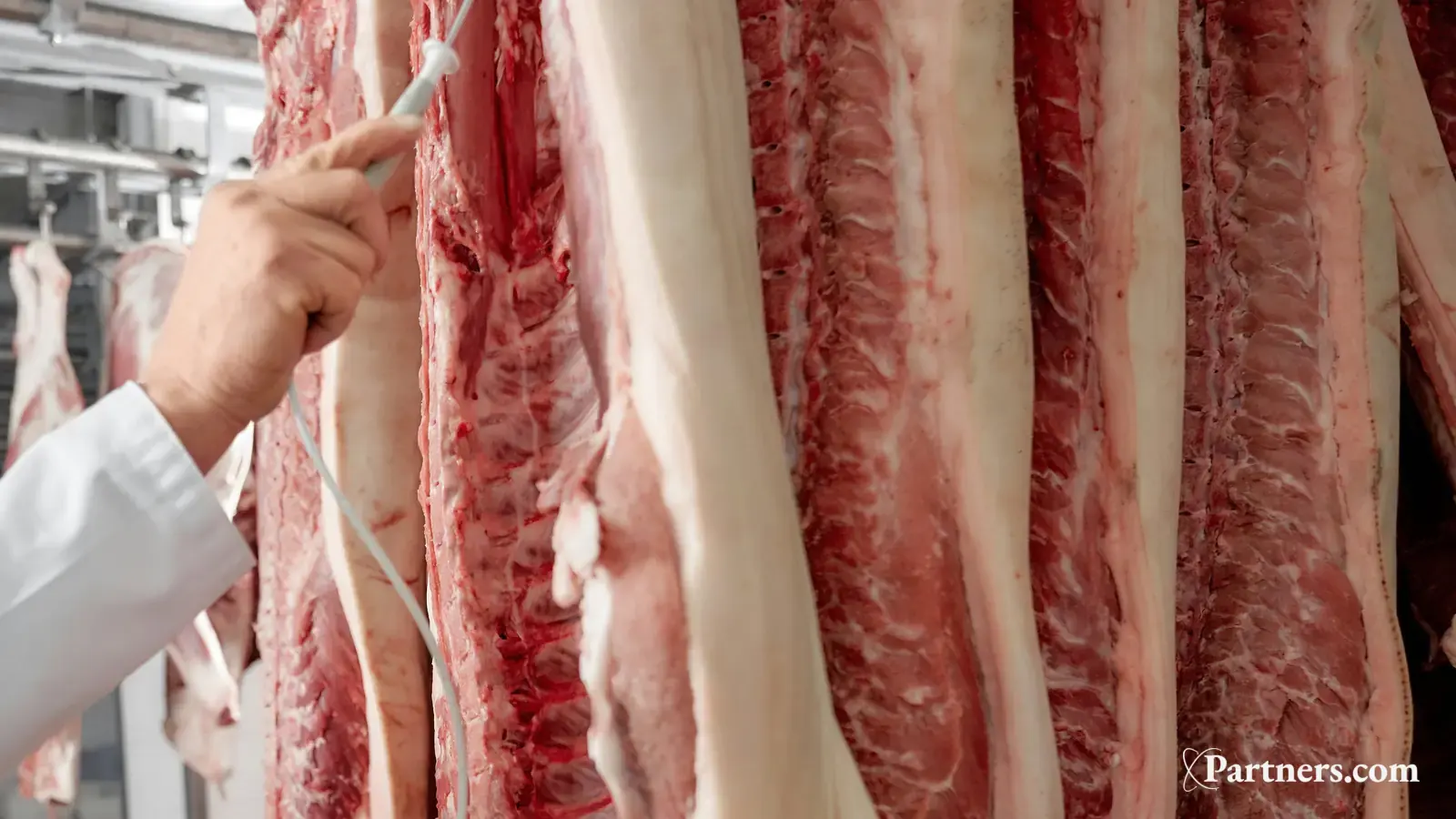
On 9 November 2026 SENACSA announced that Taiwan's official audit of Paraguayan plants exporting beef and pork ended with satisfactory results. From January to July Taiwan bought USD 149.1 million of Paraguayan beef and 86% of the value of Paraguay's pork exports.

Import / Export
Trade on the Brazilian border: PY17 road paves 221 km in 4 sections
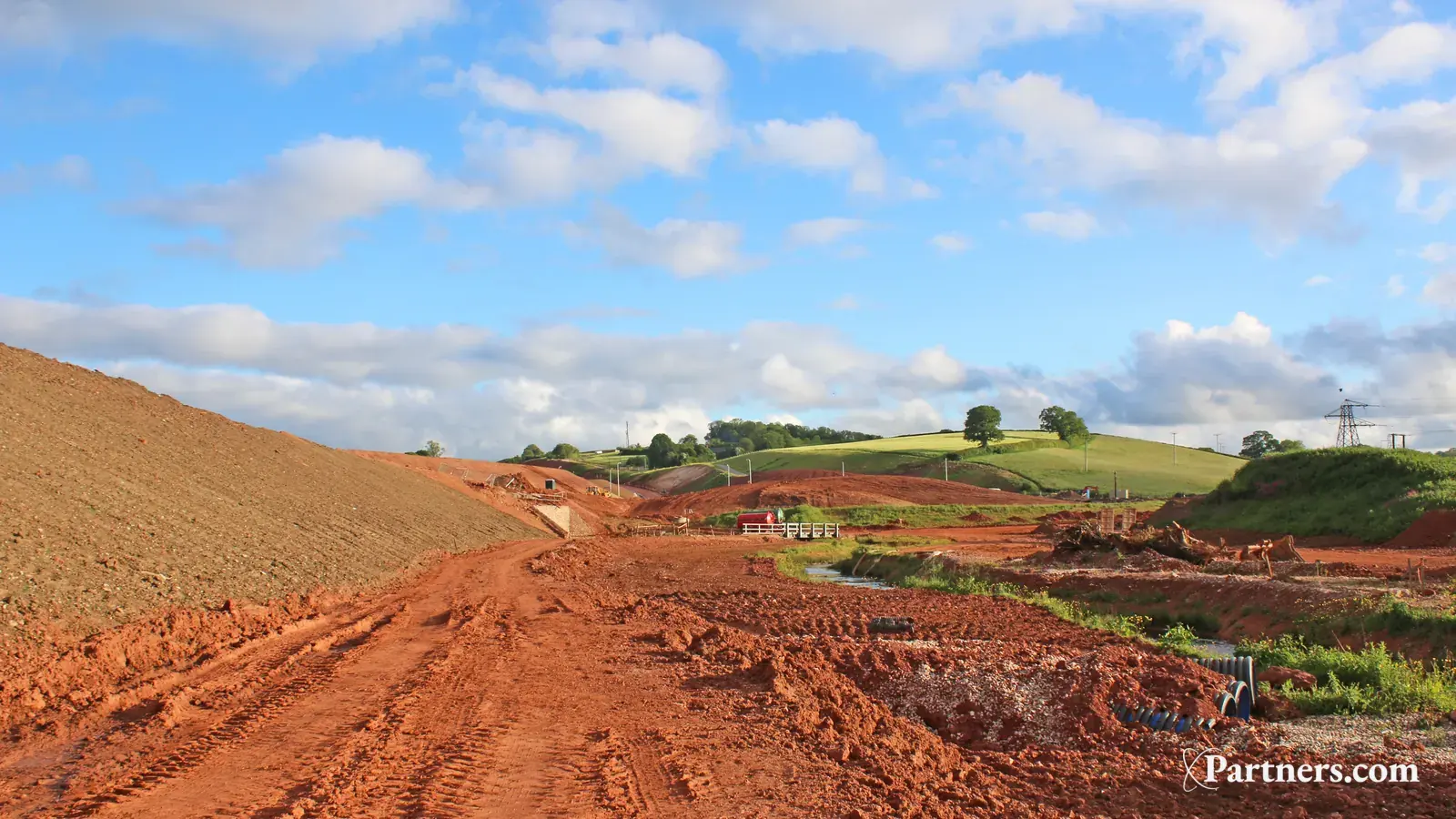
The PY17 road will link Pedro Juan Caballero, Zanja Pytã, Capitán Bado, Itanará and Ypejhú along the Brazilian border with 221 km of paved road, financed by a USD 220 million FONPLATA loan. The first section, 44 km from Pedro Juan Caballero under a PYG 391,554,309,003 contract, is due for completion by February 2028.
Import / Export
Buying goods in Paraguay: dollar at PYG 5,945 and payment upfront
The strong guaraní, with the dollar at PYG 5,945 in October 2026 against PYG 7,105 a year earlier, already cuts the local-currency income of exporters. Since 3 November ueno bank's customers, with the bank in resolution at the Banco Central del Paraguay, also have their accounts frozen: for buyers of goods for export, immediate payment becomes the most valued term.