

·
Argentine border hurdles and less maize for export as ethanol, poultry and pig farming absorb more of Paraguay's crop
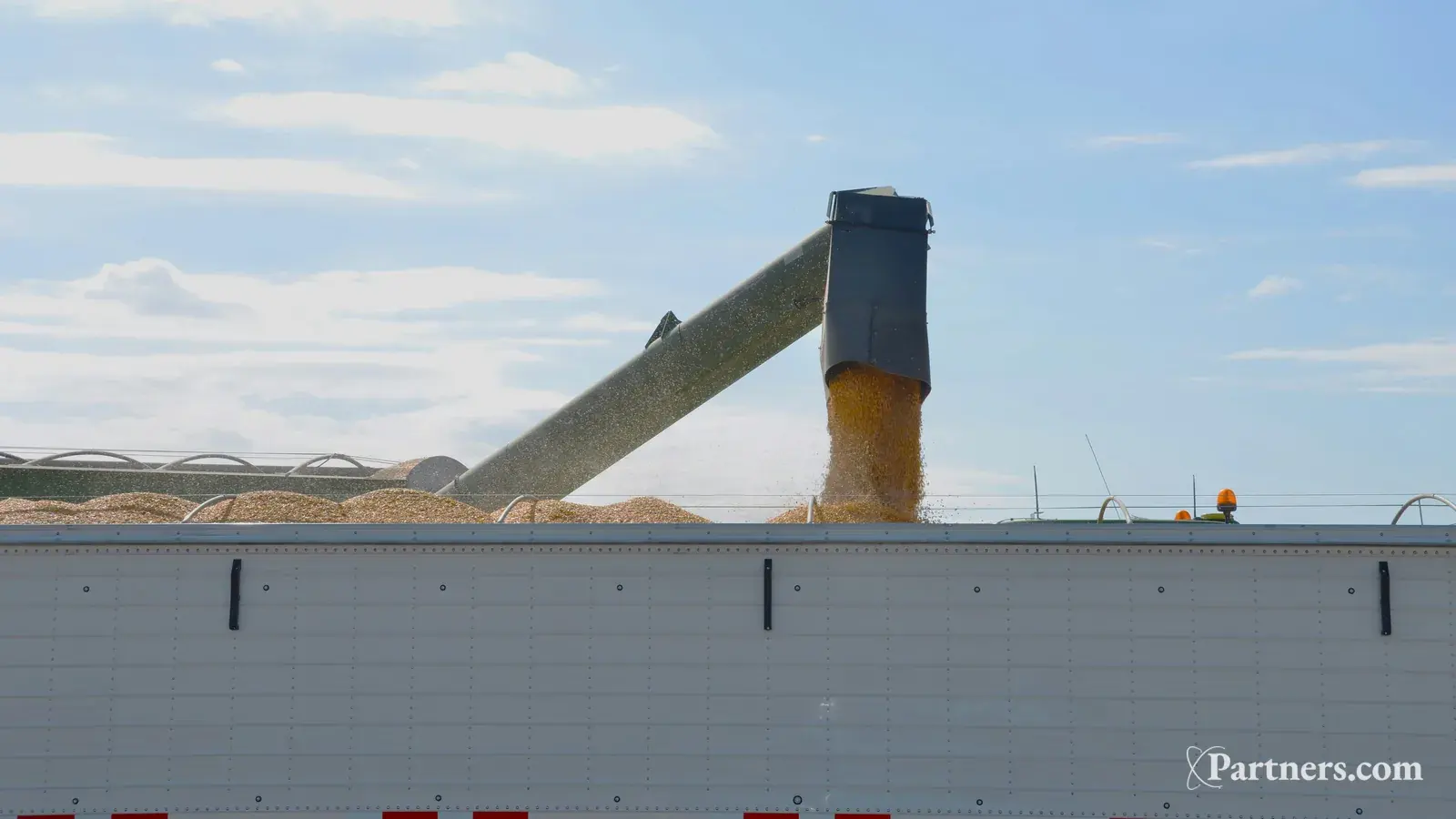


Paraguay's borders are telling two different but related stories. More of the country's maize is staying at home, bought by ethanol plants and livestock farms, while at the crossings into Argentina and Brazil, inspections and queues are slowing trade. For anyone dealing in grain, both affect planning.
Less maize abroad, more at home
According to the foreign trade report of Capeco, the chamber of grain and oilseed exporters, Paraguay exported 963,986 tonnes of 2026-harvest maize between June and September, against 1,791,736 tonnes in the same window of the 2025 harvest. Over January to September as a whole, shipments reached 1.6 million tonnes, 609,871 tonnes fewer than in 2025, and export earnings fell from US$384 million to US$291 million.
Capeco's main explanation is stronger domestic demand for ethanol, poultry and pork production. Two further factors contribute: producers holding out for better prices, moving between domestic sales and exports, and delays at border crossings with Brazil, especially on the Friendship Bridge (Puente de la Amistad). Brazil nonetheless remains the leading destination, taking 78% of volumes, with Uruguay and Chile sharing the remaining 22%. Fifty-seven companies exported maize over the period.
The trend is visible in the central bank's foreign trade report too: through September, the BCP flags maize as a drag on primary products, a category that still grew 32.6%, led by soybeans.
The Encarnación-Posadas crossing
On the Argentine side, as reported by Itapúa Noticias, the Encarnación Chamber of Commerce, Industry and Services has complained about recent restrictions on bringing maize, wheat and soybeans into Argentina in 10-kilogram packs, that is, in small cross-border trade, which it says slow inspections and add paperwork for local traders. The measures concern small-scale trade rather than export shipments, but the Argentine market remains central: according to the BCP, Argentina is the largest buyer of Paraguay's registered exports, with 38.3% of the total through September, and it took 87.9% of soybean export value. At the time of writing, no official notice had been located identifying the Argentine rule in question, its scope or its start date, so anyone moving goods through that crossing should confirm the current requirements with their customs broker before scheduling loads.
What it means for investors and exporters in Paraguay
- A home market that competes with exports. Ethanol, poultry and pig production are becoming significant maize buyers. For growers and traders, selling locally is a real alternative to weigh against the cost and lead times of exporting.
- The border as a cost line. Queues at bridges and new formalities affect delivery times and contracts. Building in margins and checking the destination country's current rules before each shipment is prudent.
- Diversify channels and markets. Heavy reliance on Argentina and Brazil makes it worth examining alternative routes and complementary destinations.
- Legal structure matters. Anyone planning to trade grain or process it locally on an ongoing basis needs to choose the right corporate vehicle.
partners.com's Import-export page describes how suppliers, wholesalers and buyers are connected across Paraguay and Mercosur; corporate questions are covered on the Company Incorporation page.
Sources
Ask our team
A few lines are enough. Our team in Asunción reads every request and replies in your language.
Read More
Import / Export
Meat for Taiwan: plant audit concluded, beef exports at USD 149.1m
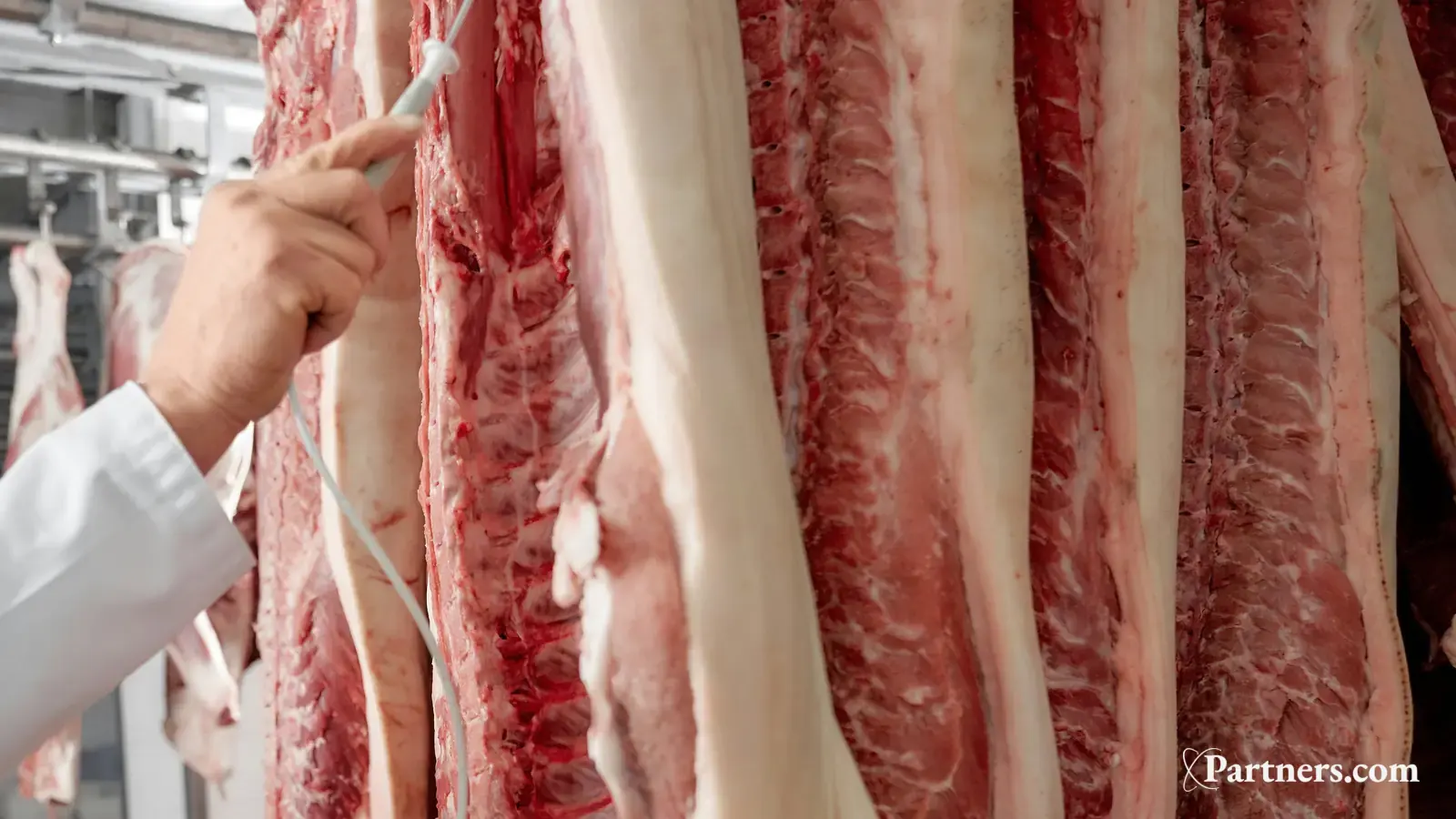
On 9 November 2026 SENACSA announced that Taiwan's official audit of Paraguayan plants exporting beef and pork ended with satisfactory results. From January to July Taiwan bought USD 149.1 million of Paraguayan beef and 86% of the value of Paraguay's pork exports.

Import / Export
Trade on the Brazilian border: PY17 road paves 221 km in 4 sections
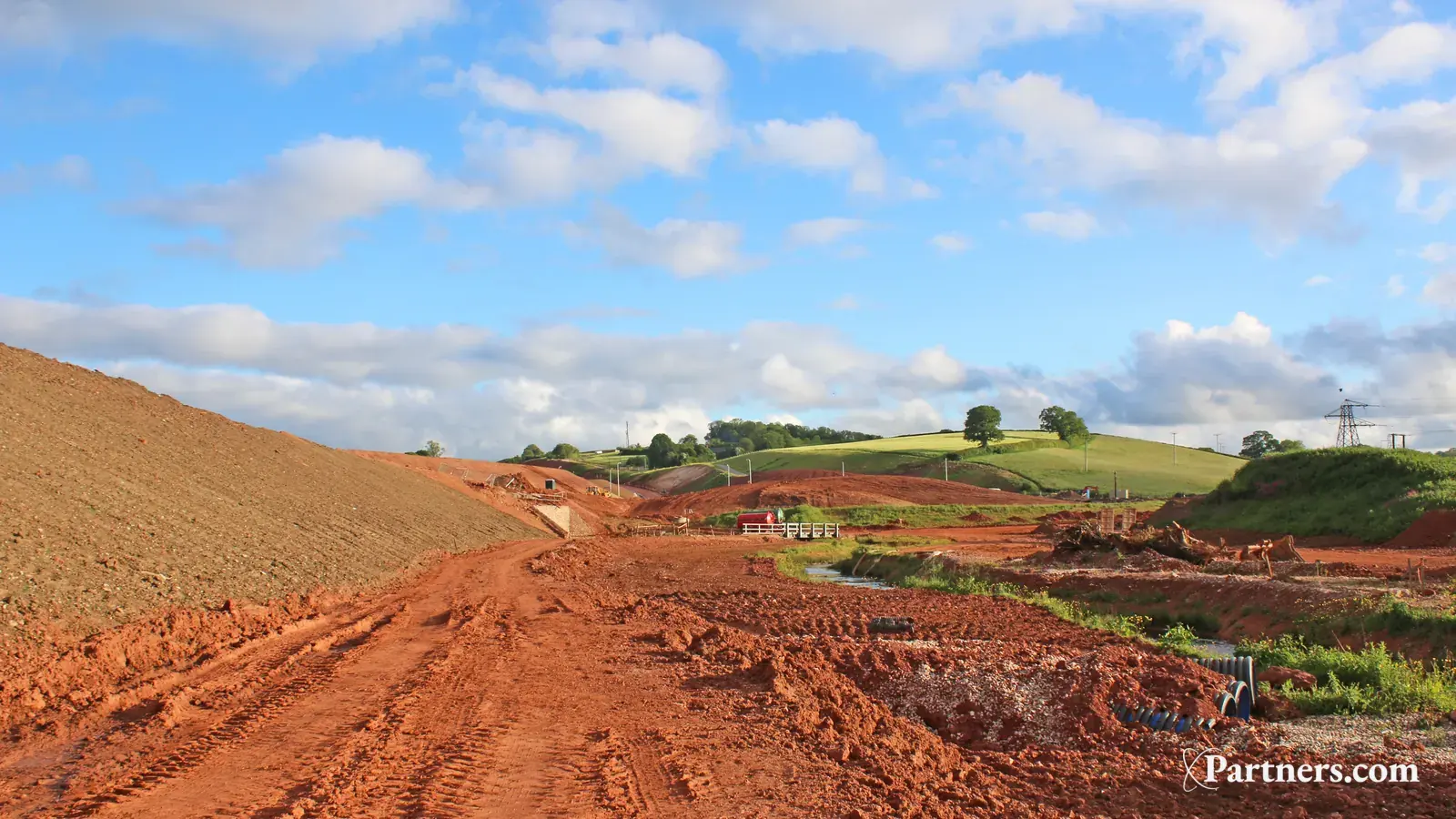
The PY17 road will link Pedro Juan Caballero, Zanja Pytã, Capitán Bado, Itanará and Ypejhú along the Brazilian border with 221 km of paved road, financed by a USD 220 million FONPLATA loan. The first section, 44 km from Pedro Juan Caballero under a PYG 391,554,309,003 contract, is due for completion by February 2028.
Import / Export
Buying goods in Paraguay: dollar at PYG 5,945 and payment upfront
The strong guaraní, with the dollar at PYG 5,945 in October 2026 against PYG 7,105 a year earlier, already cuts the local-currency income of exporters. Since 3 November ueno bank's customers, with the bank in resolution at the Banco Central del Paraguay, also have their accounts frozen: for buyers of goods for export, immediate payment becomes the most valued term.