

·
US tariffs on Paraguayan goods: weighted average falls to 7.1%
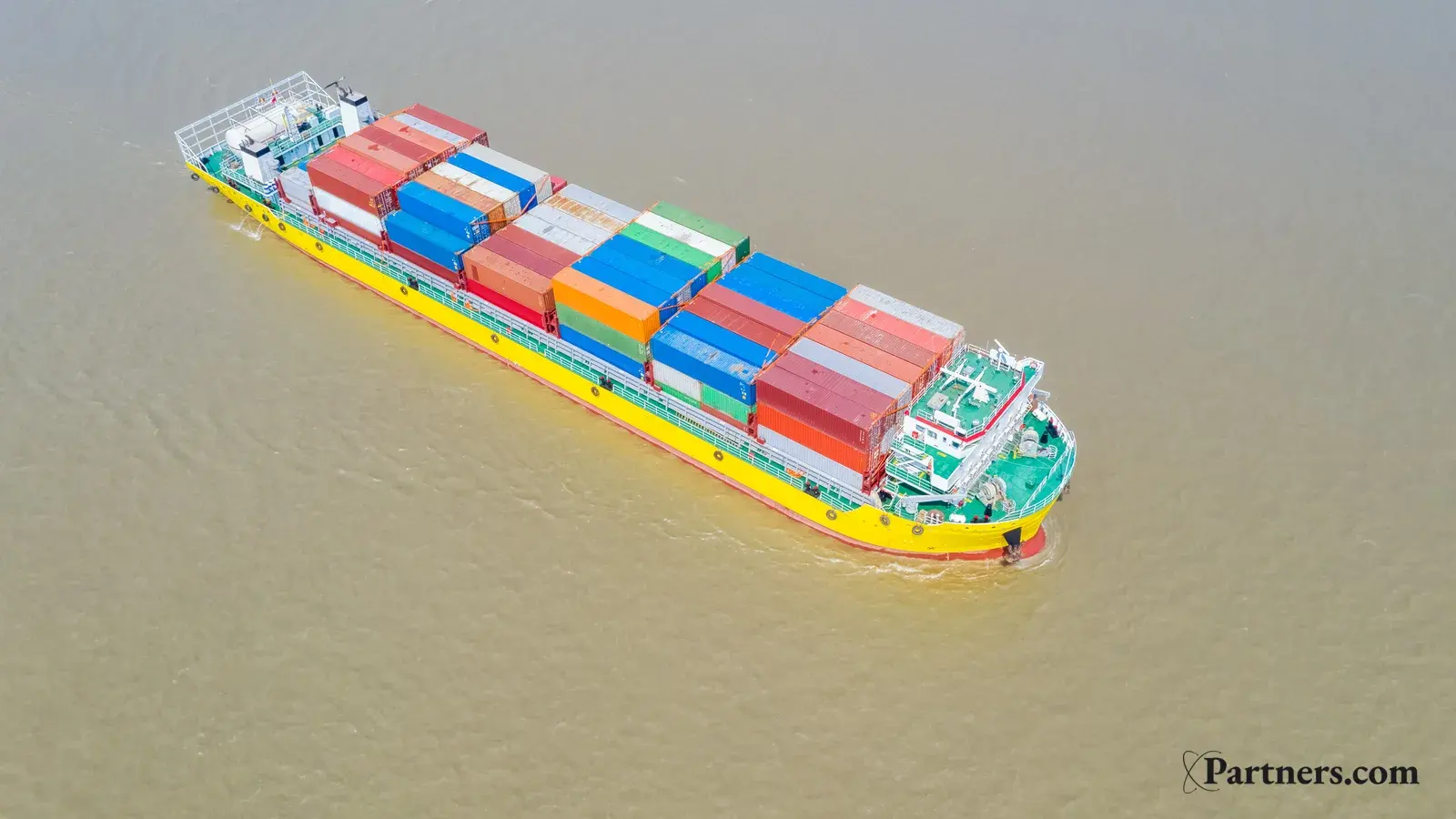


The annual report of the Economic Commission for Latin America and the Caribbean (ECLAC), International Trade Outlook for Latin America and the Caribbean 2026, published on 15 October, measures for 19 countries in the region the import-weighted average tariff applied by the United States before and after the changes at the end of July. For Paraguay the figure fell from 12.8% on 21 July to 7.1% on 24 July 2026, while the overall US average towards the world barely moved, from 11.3% to 11.1%. ECLAC bases the figures on Global Trade Alert.
What changed on 24 July
On 20 February 2026, ECLAC recalls, the US Supreme Court declared unconstitutional the 2025 "reciprocal tariffs" imposed under the emergency economic powers law. The same day the President signed Executive Order 14389, ending those measures, and Proclamation 11012, which under Section 122 of the Trade Act of 1974 imposed a 10% ad valorem surcharge on all imports for 150 days, from 24 February until 12:01 a.m. eastern time on 24 July 2026. Paragraph 14 of the proclamation exempted several categories, including energy, fertilisers, pharmaceuticals, certain electronics, vehicles and "certain agricultural products, including beef". Annex II lists the exempt tariff lines: they include beef under headings 0201 and 0202 and cassava starch (1108.14.00), but not sesame seeds (1207.40), sugar (1701), soya beans (1201) or charcoal (4402), which were therefore subject to the surcharge until 24 July.
When it lapsed, the surcharge was not renewed. In its place, from 12:01 a.m. on 24 July, came the duties ordered by the presidential memorandum of 23 July and applied by a USTR notice at the close of investigations, opened on 12 March, into the failure to prohibit imports made with forced labour. The investigations cover 60 economies: Paraguay is not one of them. Argentina, Ecuador, Mexico, Honduras, Guatemala, El Salvador and Trinidad and Tobago pay 10%; Brazil, Uruguay, Chile, Peru, Colombia and most other partners pay 12.5%, with product exemptions. Brazil also faces a 25% duty imposed on 22 July in a separate investigation, with exclusions for oil, civil aircraft, coffee, iron ore and orange juice.
Paraguay and its neighbours
In ECLAC's chart Brazil rises from 10.3% to 16.6%, Uruguay from 11.4% to 11.9%, Chile from 5.8% to 6.9% and Peru from 7.7% to 8.9%; Argentina, which has signed a reciprocal trade agreement with Washington, falls from 8.9% to 8.6%. ECLAC notes that the Section 232 duties on steel, aluminium, cars and other products remain in force, as they are unaffected by the February ruling. A parallel investigation into industrial overcapacity covers 16 partners, none of them South American; as of early September, ECLAC writes, its results had not been announced.
The same report projects that in 2026 the value of Paraguay's goods exports will grow by 19% (prices up 7%, volumes up 12%) and imports by 14%; in the first half, exports had already risen 19% and imports 10%. The overall picture of foreign trade to September is covered in two earlier articles, on exports and on imports.
Beef: the product that matters most
According to the September foreign trade report of the Banco Central del Paraguay, between January and September 2026 the United States was the third market for Paraguayan beef, after Chile and Israel: US$263.9 million and 42.9 thousand tonnes, up 79.9% in value and 62.6% in volume. The implied price for the United States rose 10.6% but stayed below the overall average of US$7,032 per tonne. The Israeli market was covered in a dedicated article. The United States also takes 4.6% of exports under the maquila regime.
For beef the constraint is not the surcharge, from which it was exempt, but the tariff-rate quota. Under additional note 3 to chapter 2 of the US tariff schedule, Paraguay has no quota of its own and falls under "other countries or areas", with 52,005 tonnes a year. Proclamation 11059 of 26 August added 300,000 tonnes of lean beef trimmings for these countries in 2026, allocated on a first-come, first-served basis in three tranches of 100,000: the third opens on 31 October and remains available until filled or until 30 November 2026.
What this means for those operating in Paraguay
- No general additional duty. Since 24 July goods of Paraguayan origin are subject neither to the 10% surcharge, which has lapsed, nor to the Section 301 forced-labour duties, which do apply to Brazil, Argentina and Uruguay.
- Sectoral duties remain. Steel, aluminium, copper, cars and the other Section 232 products pay the rates set by those measures, whatever their country of origin.
- Beef: dates to note. The last tranche of the additional quota opens on 31 October; outside the quota the US over-quota duty applies.
- A revocable position. The current regime rests on presidential acts and USTR investigations, which can be changed by a new act.
On the bilateral front, on 19 October the Ministry of Industry and Commerce hosted a strategic dialogue round table with a delegation of US business people accompanying Deputy Secretary of State Christopher Landau, covering logistics, energy, data centres, mining and agribusiness.
The partners.com page on Import & Export facilitation describes how export operations, origin documentation and relations with foreign buyers are organised from Paraguay.
Sources
- ECLAC, Perspectivas del Comercio Internacional de América Latina y el Caribe 2026 (LC/PUB.2026/13-P), 15 October 2026
- ECLAC, full report, chapter I, section D and chart I.11 (PDF)
- Federal Register, Proclamation 11012, 91 FR 9339, 25 February 2026
- The White House, Proclamation 11012, Annex II, HTSUS lines excluded from the surcharge (PDF)
- Federal Register, Executive Order 14389, 91 FR 9437, 25 February 2026
- Federal Register, presidential memorandum of 23 July 2026, 91 FR 47717
- Federal Register, USTR notice of Section 301 actions, 91 FR 47318, 28 July 2026
- Federal Register, Proclamation 11059, 91 FR 55989, 31 August 2026
- USITC, Harmonized Tariff Schedule 2026, chapter 2, additional note 3 (PDF)
- Banco Central del Paraguay, Reporte de Comercio Exterior, September 2026
- Banco Central del Paraguay, full report, September 2026 (PDF)
- Ministerio de Industria y Comercio, Paraguay y Estados Unidos impulsan mesa estratégica, 19 October 2026
Ask our team
A few lines are enough. Our team in Asunción reads every request and replies in your language.
Read More
Import / Export
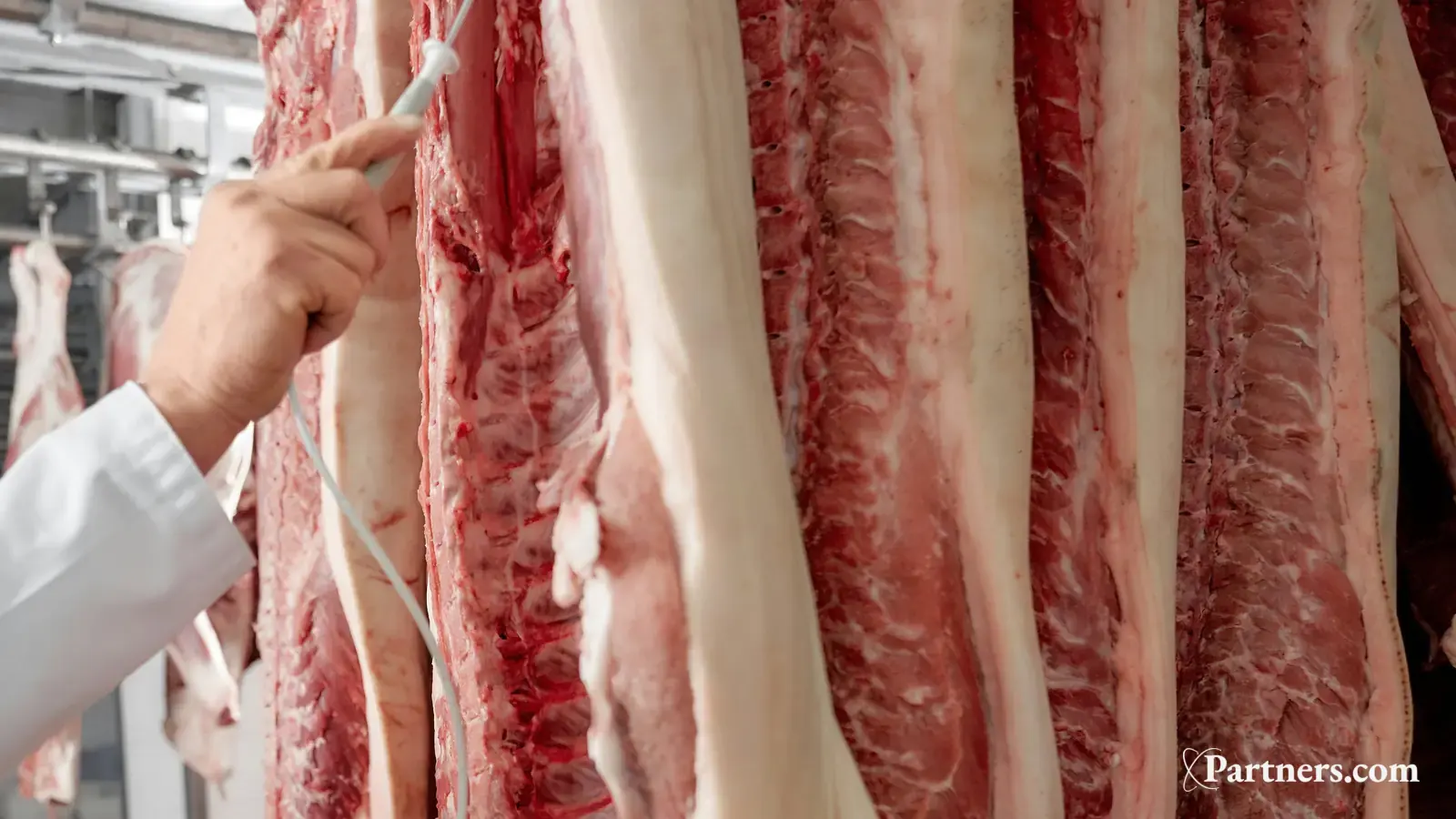
Meat for Taiwan: plant audit concluded, beef exports at USD 149.1m
On 9 November 2026 SENACSA announced that Taiwan's official audit of Paraguayan plants exporting beef and pork ended with satisfactory results. From January to July Taiwan bought USD 149.1 million of Paraguayan beef and 86% of the value of Paraguay's pork exports.

Import / Export
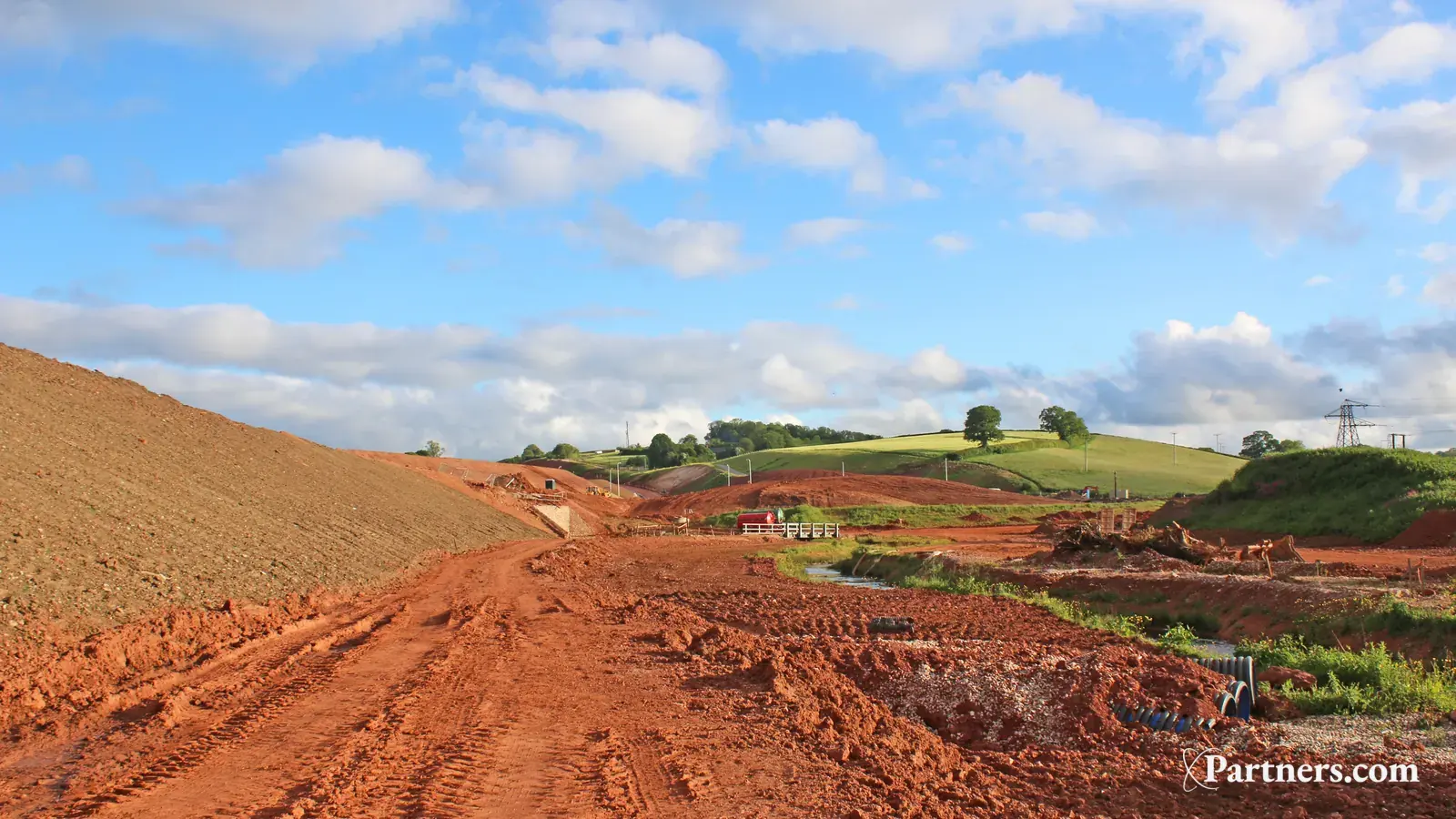
Trade on the Brazilian border: PY17 road paves 221 km in 4 sections
The PY17 road will link Pedro Juan Caballero, Zanja Pytã, Capitán Bado, Itanará and Ypejhú along the Brazilian border with 221 km of paved road, financed by a USD 220 million FONPLATA loan. The first section, 44 km from Pedro Juan Caballero under a PYG 391,554,309,003 contract, is due for completion by February 2028.
Import / Export
Buying goods in Paraguay: dollar at PYG 5,945 and payment upfront
The strong guaraní, with the dollar at PYG 5,945 in October 2026 against PYG 7,105 a year earlier, already cuts the local-currency income of exporters. Since 3 November ueno bank's customers, with the bank in resolution at the Banco Central del Paraguay, also have their accounts frozen: for buyers of goods for export, immediate payment becomes the most valued term.